
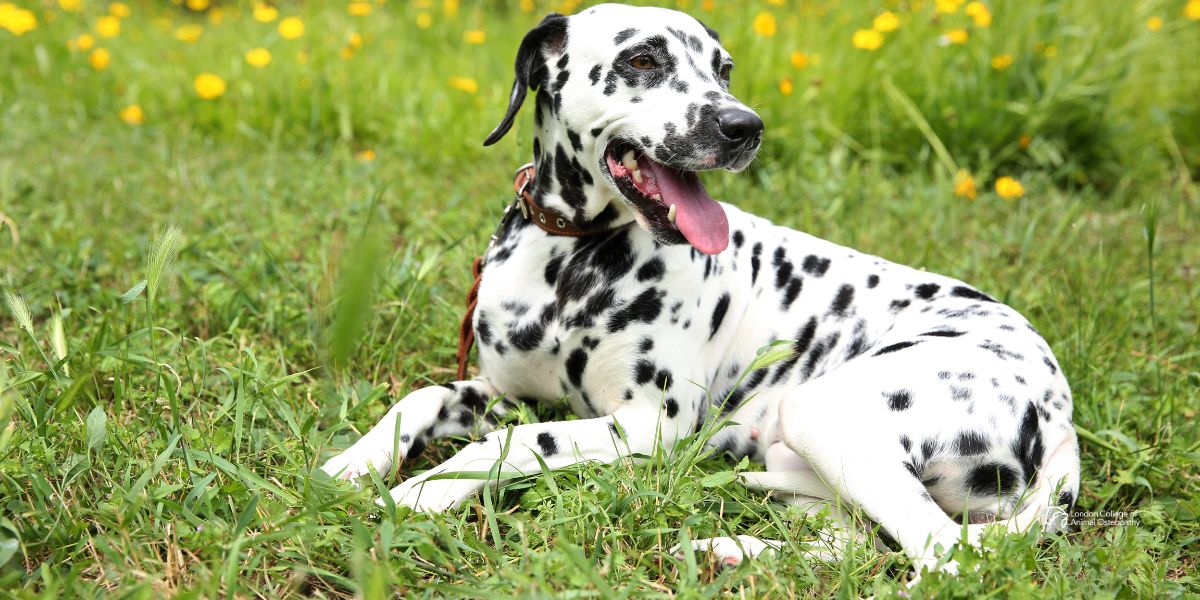
Dental care for our dogs is a vital part of maintaining overall health. The link between canine dental health and overall wellbeing is stronger than you may think. By the age of three, a large number of dogs will have acquired some degree of periodontal disease. Here we will discuss the leading causes of dental problems, the most effective ways to avoid them and how Osteopathy might be able to offer help with canine dental conditions.
Why Canine Dental Health Matters More Than Bad Breath
Looking after a dog's teeth is far more than just stopping bad breath. A condition affecting the teeth and gums can actually lead to some rather more serious problems. Damage and decay to the teeth can cause pain during eating/drinking, tooth loss can obviously reduce the dog's ability to chew and process their food properly. It's not difficult to see how this could lead to weight loss, malnutrition and the subsequent systemic problems that occur as a result.
Have you ever used a medication that you place under your tongue? This is because the tissues there provide a very fast route to substances entering the blood stream. The same applies to dogs too. An infection or bacterial build-up around the teeth can allow for bacterial spread to vital organs. A study funded by the British Heart Foundation (2026) has been researching a bacterium known as Porphyromonas gingivalis which causes gingivitis. The bacterium has also been linked to coronary artery disease and heart attacks. It is thought that the bacterium stimulates an inflammatory response that can lead to atherosclerosis (a narrowing and hardening of the arteries with deposition of plaques). Although this study is in humans, the pathways are the same in canine patients.
If a dog has an inability to chew properly or has pain when attempting to take food, choking can become a risk factor too. The mechanics of swallowing could also be affected if a dental infection has spread and is causing swelling of the throat. Choking is clearly a veterinary emergency and although some cases can be managed with first aid at home, veterinary attention may be required.
Signs of Dental and Gum Disease in Dogs
Owners will know their pet's normal behaviours and will often recognise when something has changed, but here are some things to look out for:
- Bad breath
- Visible plaque formation
- Red or bleeding gums
- Difficulty eating
- Reluctance to play with toys such as chew or tug toys
- Warning behaviours such as growling when touching the dog's face
- Swelling
- Tooth loss
- General malaise
- Weight loss
Some dogs can be very good at hiding pain; this is an evolutionary adaptation for survival. You may only notice one or two signs but the problem may be worse than the dog lets on.
How to Prevent Dental Problems in Dogs
Prevention is clearly better than cure with any health condition and Vet bills can really stack up if dental problems take hold. Luckily there are things we can do as owners to give our dogs the best chance of a clean and healthy mouth.
Brushing
This is one of the most effective ways to ensure dental hygiene and to combat decay. This should always be introduced slowly and using plenty of positive reinforcement, starting from an early age is best to ensure this becomes normal. Always use a brush designed for dogs such as a finger brush and use toothpaste that is formulated specifically for dogs (your Vet should be able to recommend one). Even brushing just a couple of times a week is better than not at all.
Diet and Dental Chews
Not all dog food is made equal. Your Vet should be able to provide advice on quality dog feeds that help to reduce the risk of dental problems. Texture of feeds such as biscuit and kibbles can help to physically rub against the tooth surface and gum line, removing build-up. There are also dog chews designed to effectively “brush” the teeth while the dog chews on them. As with anything, however, more doesn't always mean better; these chews are not supposed to be given in high quantities. There is an approved list of feeds and dental chews on the Veterinary Oral Health Council (VOHC) website.
Avoiding Unsuitable Toys
Many animal feed shops will sell cooked bones and antlers; however, it is vital to understand that these can be too hard for your dog's teeth and may cause fractured teeth especially if the dog already has compromised dental health. Avoid toys that are not made specifically for dogs; a soft toy with hard parts such as a teddy with plastic or glass eyes is a high risk.
Water Additives and Dental Sprays
The VOHC also has a list of products for adding to your dog's water or topical sprays that help to reduce oral acidity and fight bacteria. Check with your Vet before trying any new food or water additives.
Regular Veterinary Dental Check-ups
Having a regular dental check-up at the Vet is a great way to identify early issues that may not be apparent to you as an owner day to day. Catching an oral condition early is far better and reduces the potential stress for the animal. If your dog is higher risk (aging, dental damage, brachycephalic breed, poor systemic health), then you may need to have a more regular check-up.
Osteopathy and Canine Dental Care: How the Two Connect
Firstly, it is important to mention that Osteopaths are not animal dentists or Vets (unless dual qualified) and only a Vet should be making dental diagnosis. However, there are a great many things that can occur as a result of dental pain and dysfunction. An altered chewing function can create musculoskeletal imbalances, feeding issues and resulting malnutrition can reduce vital reserves for healing and recovery from injury.
The Temporomandibular Joint (TMJ) and Dental Dysfunction
The temporomandibular joint or TMJ is a synovial, diarthrodial joint composed of the mandibular fossa on the squamous portion of the temporal bone and the articular head of the condylar process on the mandible. If a dog is altering the way they chew or even simply holding their jaw differently, there will be functional changes that can elicit pain, tension and in the long term even damage. An Osteopathic practitioner can palpate the TMJ and perform motion testing to ascertain if there are abnormal ranges of motion, swelling, pain or clicking. Sometimes the cause isn't dental in nature and Osteopathy can guide the dog's function back to optimum; however, even when the cause is dental, a well-trained Osteopath will refer to the Vet and can even support their treatment with appropriate manual work and exercise.
Cervical Spine Tension Linked to Dental Pain
Anyone who has experienced dental pain or dysfunction will know it can influence your neck in ways that can become quite debilitating. The motion of the TMJ and the associated muscles of mastication (chewing) are closely linked with the functions of the cervical region and of course the action of swallowing involves coordinated neck muscle contractions and relaxations. In my own experience treating a dog with significant tooth loss and dental decay, there were interesting findings. The dog in question was older and had lost a number of molars and two incisors; there was also decay present and this caused eating difficulties. The owner was taking veterinary advice and providing soft food and she was doing all the right things; however, the dog was altering his posture to chew and swallow effectively. In an attempt to keep the food in his mouth and move the bolus to a position he could swallow, he was extending his upper cervical spine and this was causing significant tension of the suboccipital muscles.
My assessment led me to believe that this was creating a headache after eating as well. Gentle flexion articulations of the occipitoatlantal joint and upper segments along with muscle inhibition to the capitis muscles proved to be very effective in reducing discomfort and improving quality of life. As he was an elderly dog with some irreparable dental problems, Osteopathy formed an ongoing management plan rather than trying to “fix” everything.
Weight, Condition and Early Detection
Regular Osteopathic appointments can be a very effective way to pick up on things that are not always immediately apparent to the owner. Dental problems, as we have discussed, can lead to weight loss and loss of overall condition. Osteopaths who see a dog regularly will be able to notice weight changes that day to day might not become obvious to the owner. Palpation of the dog by the Osteopath will show up muscle atrophy, prominent bony landmarks and signs of malnutrition or dehydration. These are clearly signs for which the Osteopath should refer on to the Vet and provide the owner with adequate information.
Recognising Signs of Dental Infection
Osteopaths will be able to look for signs of infection which will expedite veterinary assessment and treatment, lowering the risk of sepsis. As discussed, dental infection can provide a fast-track route to the blood stream and become potentially very dangerous. Osteopaths will recognise signs such as elevated temperature, enlarged lymph nodes, gingival (gum) inflammation and foul-smelling breath.
Wider Musculoskeletal Effects of Dental Problems
If the effects of dental problems persist, there is every chance that wider musculoskeletal issues will occur. Mechanical disruption at the level of feeding, drinking and head/neck posture can influence the functions of gait, posture, sleeping positions and create high allostatic load. A hypothetical case for example: a dog who is already predisposed to structural gait abnormality such as a small terrier breed with relatively short limbs to a long back. This dog may (as many of this type do) trot in an asymmetrical pattern with a two- or three-track footfall. If the dog is experiencing TMJ tension and compression due to a dental issue on one side, they may alter their head position, further contorting the spinal posture during trot. Over time, this can lead to reduced functionality and in the very long term can create structural changes (Wolff's law).
The Osteopath's Role in Canine Dental Health
As mentioned earlier, Osteopaths should not be making veterinary/dental diagnosis. The Osteopath is in the perfect position to screen for “red flag” signs and symptoms that need referral, support veterinary interventions using Osteopathic care and educate and advise on lifestyle modifications to prevent and remedy potential dental conditions. In Osteopathy, we seek to restore the animal's ability to self-heal by removing barriers to that healing, be they mechanical, environmental or biological. If as an owner, you detect a sign of dental pain, infection or you are just not entirely sure, always speak to your Vet first! Your Osteopath may also be able to help by communicating with the Vet to discuss any relevant history and findings.





.png)
.png)
