

Click to view
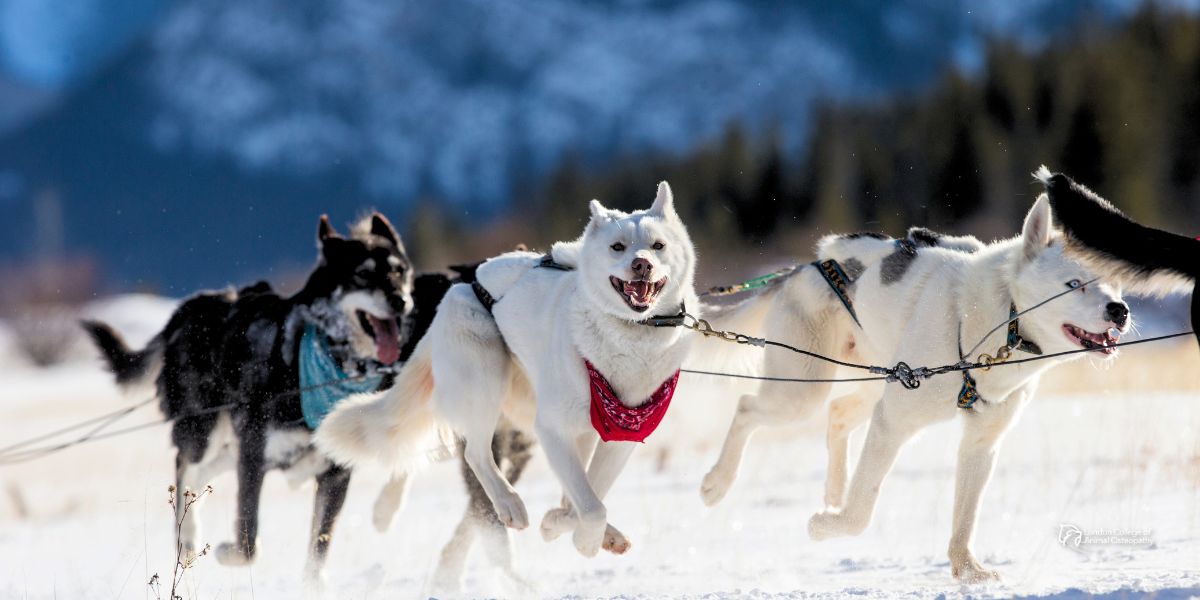
Thirty years behind a sled team teaches a musher to notice things a stopwatch never will: the slight hitch in a shoulder before a big race, the toe that never quite looks right after a long trail. Orthopedic injuries are, by a wide margin, the most common health issue reported in competitive sled dogs, with the thoracic limb bearing the brunt of it. Shoulder strains, carpal hyperextension, and soft tissue damage to muscles like the brachiocephalicus recur across studies of races from the Iditarod to the Pedigree Stage Stop, and the reasons are mechanical: the front end carries the bulk of the dog's weight while steering, stabilising, and absorbing shock at speed. Drawing on veterinary research alongside a firsthand interview with a lead race veterinarian, this paper maps where and why these injuries cluster, then turns to the harder question of whether osteopathic manipulative therapy, still thinly studied in sled dogs specifically, has a legitimate preventive role. Evidence from human medicine, agility dogs, and small rehabilitation studies in working breeds is weighed carefully, without overstating what remains a limited evidence base. What emerges is a case for OMT as part of a broader maintenance strategy, aimed at catching the subtle compensations that precede visible injury, in dogs bred to keep running long after something starts to hurt.










.png)
.png)
