
Click to view
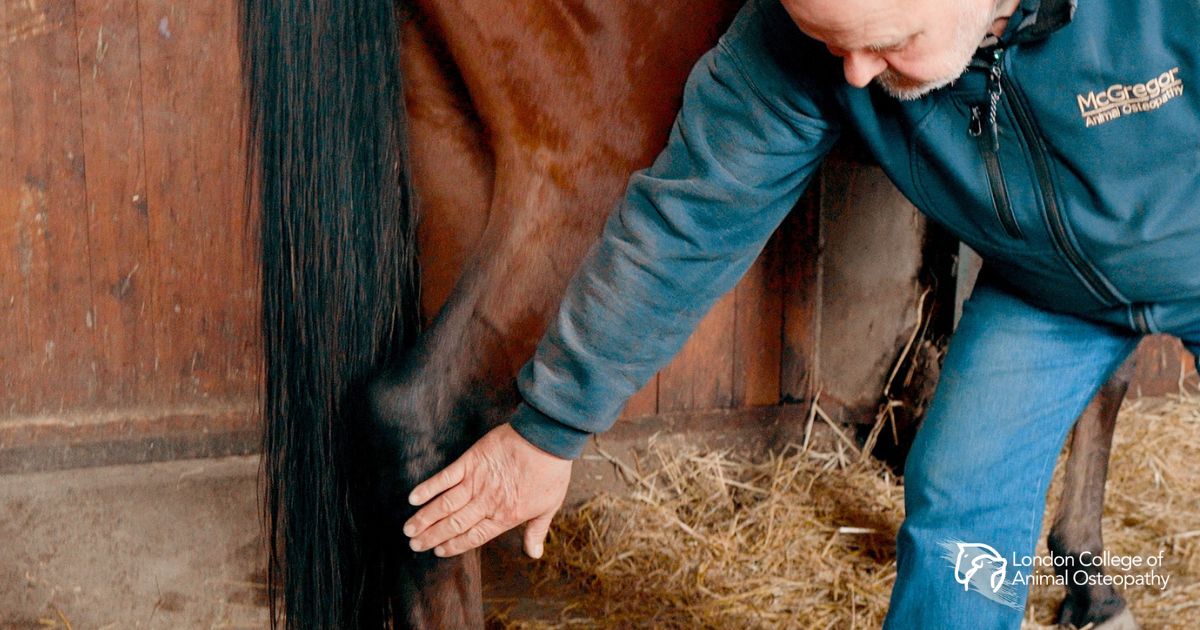
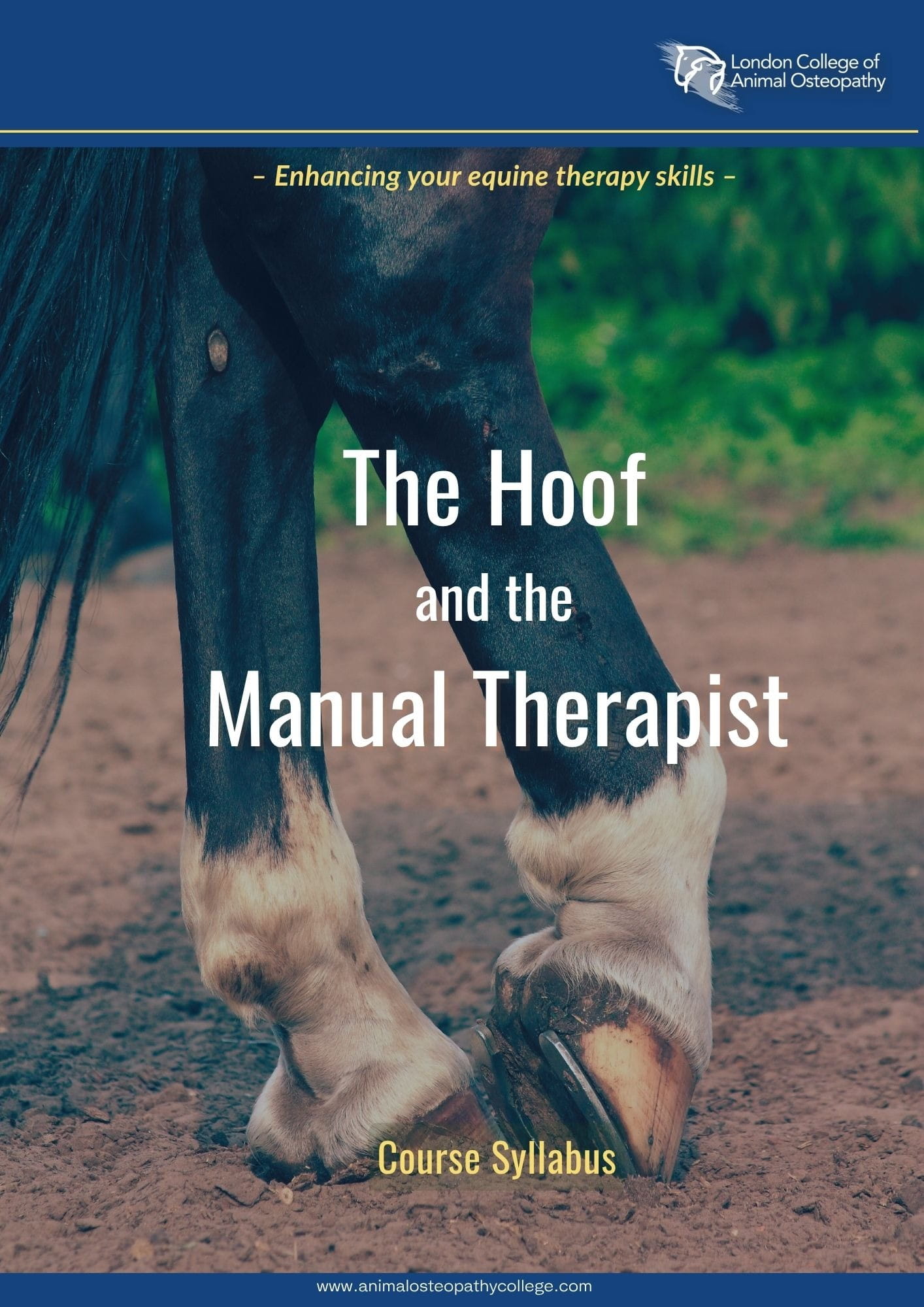
Hindlimb lameness is the most common reason a horse is laid up from work, and it is also, frustratingly, the hardest to definitively diagnose. A horse that bucks under saddle, drags its toes, or simply loses the spark it once had is not always going to show a clear lesion on radiograph or ultrasound. The presenting symptoms of hindlimb dysfunction are often behavioural before they become biomechanical — and that gap between what the horse is showing and what diagnostics can confirm is exactly where this thesis begins. The author constructs a careful comparative framework across three practitioners: the veterinarian, the farrier, and the osteopath. Each brings a different lens to the same problem. The veterinarian has nerve blocking, imaging, and pharmacology. The farrier has an intimate knowledge of hoof morphology and how hoof angle loads the entire limb column. The osteopath has a whole-body map of how tension in one system generates compensation in another. Alone, each assessment is incomplete. Together, they form a diagnostic picture that can actually resolve what is going wrong. The hoof's relationship to higher hindlimb pathologies is one of the thesis's most compelling contributions. Negative Palmer Angle — a coffin bone tipped too steeply by long toes and low heels — is documented here as the most common hindlimb hoof pathology, and its fascial consequences ripple upward through the digital flexors, gluteal muscles, and sacrum. A horse that looks like it has a sacroiliac problem may, in fact, have a trim problem. The author's mapping of equine fascial lines to specific compensatory patterns gives this argument its anatomical precision. Osteopathic Articular Balancing treatments are described not as a standalone fix but as part of that integrated approach: relieving tense joints and restricted viscera while the farrier corrects the foundation. This is a thesis that challenges practitioners to look further than their own discipline.


.jpg)

.png)


.png)
.png)
