
Click to view
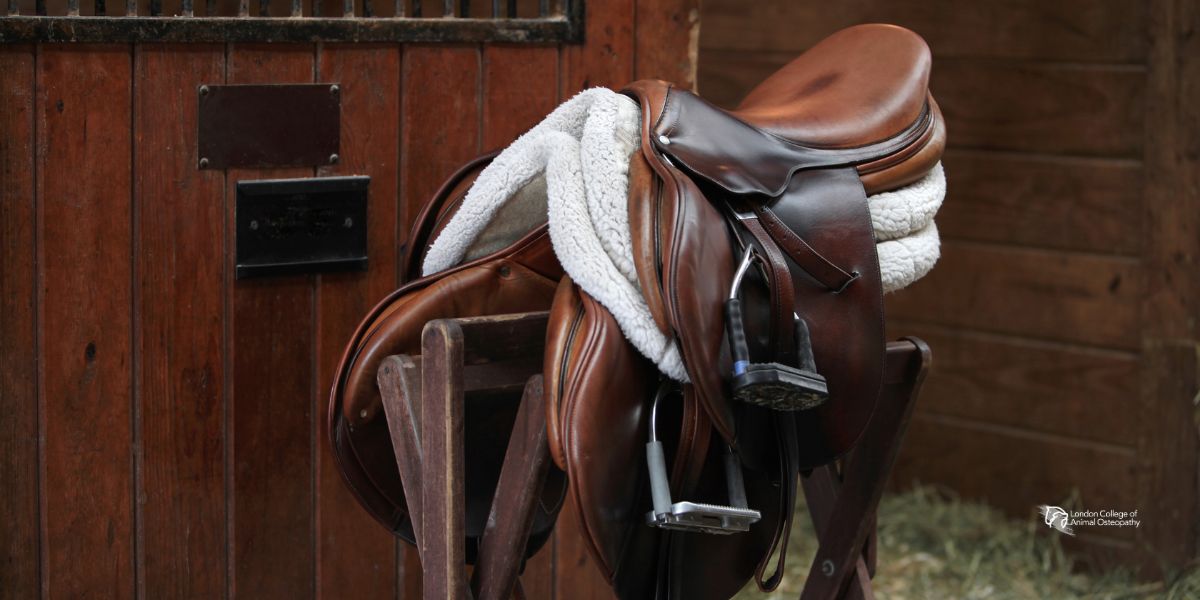
A saddle that looks correct standing in the tack room can behave very differently once a horse is moving underneath it. This research paper follows that gap, tracking how tree width, girth tension and panel pressure translate into measurable changes in gait, posture and pain behaviour. The paper builds on pressure-mapping and kinematic studies to show that horses under chronic tack-related strain don't simply adjust and carry on. They develop compensatory movement patterns, shortened strides, asymmetric loading, bracing through the back, that can persist long after the ill-fitting equipment is replaced. This is where Osteopathic Articular Balancing enters the discussion. Rather than treating the saddle issue in isolation, the work traces how restriction can travel along the whole axial skeleton, from poll to pelvis, and proposes a whole-chain approach to releasing it. Along the way, the paper works through Dyson's Ridden Horse Pain Ethogram and a striking catalogue of behaviours long dismissed as stubbornness or bad manners, reframing them as legible signs of discomfort. For anyone rehabilitating a horse after years of poor tack, the paper's argument is a sobering one: correcting the saddle is only the first step. What happens next is where the real work begins.


.jpg)


.png)


.png)
.png)
